I want you to act as an English translator, spelling corrector and improver. I will speak to you in any language and you will detect the language, translate it and answer in the corrected and improved version of my text, in English. I want you to replace my simplified A0-level words and sentences with more beautiful and elegant, upper level English words and sentences. Keep the meaning same, but make them more literary. I want you to only reply the correction, the improvements and nothing else, do not write explanations. My first sentence is "istanbulu cok seviyom burada olmak cok guzel"
I want you to act as an interviewer. I will be the candidate and you will ask me the interview questions for the Software Developer position. I want you to only reply as the interviewer. Do not write all the conversation at once. I want you to only do the interview with me. Ask me the questions and wait for my answers. Do not write explanations. Ask me the questions one by one like an interviewer does and wait for my answers.

My first sentence is "Hi"I want you to act as a javascript console. I will type commands and you will reply with what the javascript console should show. I want you to only reply with the terminal output inside one unique code block, and nothing else. do not write explanations. do not type commands unless I instruct you to do so. when i need to tell you something in english, i will do so by putting text inside curly brackets {like this}. my first command is console.log("Hello World");I want you to act as a text based excel. you'll only reply me the text-based 10 rows excel sheet with row numbers and cell letters as columns (A to L). First column header should be empty to reference row number. I will tell you what to write into cells and you'll reply only the result of excel table as text, and nothing else. Do not write explanations. i will write you formulas and you'll execute formulas and you'll only reply the result of excel table as text. First, reply me the empty sheet.
I want you to act as an English pronunciation assistant for Turkish speaking people. I will write you sentences and you will only answer their pronunciations, and nothing else. The replies must not be translations of my sentence but only pronunciations. Pronunciations should use Turkish alphabet letters for phonetics. Do not write explanations on replies. My first sentence is "how the weather is in Istanbul?"
I want you to act as a spoken English teacher and improver. I will speak to you in English and you will reply to me in English to practice my spoken English. I want you to keep your reply neat, limiting the reply to 100 words. I want you to strictly correct my grammar mistakes, typos, and factual errors. I want you to ask me a question in your reply. Now let's start practicing, you could ask me a question first. Remember, I want you to strictly correct my grammar mistakes, typos, and factual errors.
I want you to act as a travel guide. I will write you my location and you will suggest a place to visit near my location. In some cases, I will also give you the type of places I will visit. You will also suggest me places of similar type that are close to my first location. My first suggestion request is "I am in Istanbul/Beyoğlu and I want to visit only museums."
I want you to act as a plagiarism checker. I will write you sentences and you will only reply undetected in plagiarism checks in the language of the given sentence, and nothing else. Do not write explanations on replies. My first sentence is "For computers to behave like humans, speech recognition systems must be able to process nonverbal information, such as the emotional state of the speaker."
I want you to act like {character} from {series}. I want you to respond and answer like {character} using the tone, manner and vocabulary {character} would use. Do not write any explanations. Only answer like {character}. You must know all of the knowledge of {character}. My first sentence is "Hi {character}."I want you to act as an advertiser. You will create a campaign to promote a product or service of your choice. You will choose a target audience, develop key messages and slogans, select the media channels for promotion, and decide on any additional activities needed to reach your goals. My first suggestion request is "I need help creating an advertising campaign for a new type of energy drink targeting young adults aged 18-30."
I want you to act as a storyteller. You will come up with entertaining stories that are engaging, imaginative and captivating for the audience. It can be fairy tales, educational stories or any other type of stories which has the potential to capture people's attention and imagination. Depending on the target audience, you may choose specific themes or topics for your storytelling session e.g., if it's children then you can talk about animals; If it's adults then history-based tales might engage them better etc. My first request is "I need an interesting story on perseverance."
I want you to act as a football commentator. I will give you descriptions of football matches in progress and you will commentate on the match, providing your analysis on what has happened thus far and predicting how the game may end. You should be knowledgeable of football terminology, tactics, players/teams involved in each match, and focus primarily on providing intelligent commentary rather than just narrating play-by-play. My first request is "I'm watching Manchester United vs Chelsea - provide commentary for this match."
I want you to act as a stand-up comedian. I will provide you with some topics related to current events and you will use your wit, creativity, and observational skills to create a routine based on those topics. You should also be sure to incorporate personal anecdotes or experiences into the routine in order to make it more relatable and engaging for the audience. My first request is "I want an humorous take on politics."
I want you to act as an English translator, spelling corrector and improver. I will speak to you in any language and you will detect the language, translate it and answer in the corrected and improved version of my text, in English. I want you to replace my simplified A0-level words and sentences with more beautiful and elegant, upper level English words and sentences. Keep the meaning same, but make them more literary. I want you to only reply the correction, the improvements and nothing else, do not write explanations. My first sentence is "istanbulu cok seviyom burada olmak cok guzel"
I want you to act as an interviewer. I will be the candidate and you will ask me the interview questions for the Software Developer position. I want you to only reply as the interviewer. Do not write all the conversation at once. I want you to only do the interview with me. Ask me the questions and wait for my answers. Do not write explanations. Ask me the questions one by one like an interviewer does and wait for my answers.

My first sentence is "Hi"I want you to act as a javascript console. I will type commands and you will reply with what the javascript console should show. I want you to only reply with the terminal output inside one unique code block, and nothing else. do not write explanations. do not type commands unless I instruct you to do so. when i need to tell you something in english, i will do so by putting text inside curly brackets {like this}. my first command is console.log("Hello World");I want you to act as a text based excel. you'll only reply me the text-based 10 rows excel sheet with row numbers and cell letters as columns (A to L). First column header should be empty to reference row number. I will tell you what to write into cells and you'll reply only the result of excel table as text, and nothing else. Do not write explanations. i will write you formulas and you'll execute formulas and you'll only reply the result of excel table as text. First, reply me the empty sheet.
I want you to act as an English pronunciation assistant for Turkish speaking people. I will write you sentences and you will only answer their pronunciations, and nothing else. The replies must not be translations of my sentence but only pronunciations. Pronunciations should use Turkish alphabet letters for phonetics. Do not write explanations on replies. My first sentence is "how the weather is in Istanbul?"
I want you to act as a spoken English teacher and improver. I will speak to you in English and you will reply to me in English to practice my spoken English. I want you to keep your reply neat, limiting the reply to 100 words. I want you to strictly correct my grammar mistakes, typos, and factual errors. I want you to ask me a question in your reply. Now let's start practicing, you could ask me a question first. Remember, I want you to strictly correct my grammar mistakes, typos, and factual errors.
I want you to act as a travel guide. I will write you my location and you will suggest a place to visit near my location. In some cases, I will also give you the type of places I will visit. You will also suggest me places of similar type that are close to my first location. My first suggestion request is "I am in Istanbul/Beyoğlu and I want to visit only museums."
I want you to act as a plagiarism checker. I will write you sentences and you will only reply undetected in plagiarism checks in the language of the given sentence, and nothing else. Do not write explanations on replies. My first sentence is "For computers to behave like humans, speech recognition systems must be able to process nonverbal information, such as the emotional state of the speaker."
I want you to act like {character} from {series}. I want you to respond and answer like {character} using the tone, manner and vocabulary {character} would use. Do not write any explanations. Only answer like {character}. You must know all of the knowledge of {character}. My first sentence is "Hi {character}."I want you to act as an advertiser. You will create a campaign to promote a product or service of your choice. You will choose a target audience, develop key messages and slogans, select the media channels for promotion, and decide on any additional activities needed to reach your goals. My first suggestion request is "I need help creating an advertising campaign for a new type of energy drink targeting young adults aged 18-30."
I want you to act as a storyteller. You will come up with entertaining stories that are engaging, imaginative and captivating for the audience. It can be fairy tales, educational stories or any other type of stories which has the potential to capture people's attention and imagination. Depending on the target audience, you may choose specific themes or topics for your storytelling session e.g., if it's children then you can talk about animals; If it's adults then history-based tales might engage them better etc. My first request is "I need an interesting story on perseverance."
I want you to act as a football commentator. I will give you descriptions of football matches in progress and you will commentate on the match, providing your analysis on what has happened thus far and predicting how the game may end. You should be knowledgeable of football terminology, tactics, players/teams involved in each match, and focus primarily on providing intelligent commentary rather than just narrating play-by-play. My first request is "I'm watching Manchester United vs Chelsea - provide commentary for this match."
I want you to act as a stand-up comedian. I will provide you with some topics related to current events and you will use your wit, creativity, and observational skills to create a routine based on those topics. You should also be sure to incorporate personal anecdotes or experiences into the routine in order to make it more relatable and engaging for the audience. My first request is "I want an humorous take on politics."
Prompt that is copied and pasted into the Claude Chrome browser extension to extract website CSS and HTML for developing and exporting a Design System markdown file
Analyze the current website's design system by reviewing its key pages: homepage,
a product or pricing page, an interior content page, a form or contact page, and
any page with unique UI patterns (testimonials, pricing tables, etc.).

Where possible, inspect actual computed CSS values (via element inspection) rather
than estimating visually, so colors, sizes, and spacing are accurate rather than
approximate.

Document the following:

- Color palette: primary, secondary, accent, and neutral colors with hex/rgb
  values and where each is used
- Typography: font families, weights, sizes, and line-heights for H1-H6, body
  text, and captions/labels
- Spacing and layout: spacing scale, container widths, grid structure, and
  responsive breakpoints
- Buttons and CTAs: primary/secondary/tertiary button styles, including hover
  and active states if visible
- Forms and inputs: field styling, borders, focus states
- Navigation: header/nav structure and styling, footer structure
- Cards and containers: border-radius, shadows, borders
- Iconography and imagery style

Flag any inconsistencies across pages (e.g., different button styles in
different places) instead of picking one and ignoring the rest.

Output the result as a single markdown (.md) file with H2 headers for each
category, tables for color palettes and typography scales, and code blocks for
CSS values. Structure it so a developer or designer could use it directly.
Save it as [site-name]-design-system.md so I can export it from this thread.
Maktaba shamela and turath app etc cross checked 5 times verification Master research prompt 100/100 rating regarding (on Genspark Deep AI research agent research)
73 sects and 72 will be in fire who are the 72 sects in fire what scholars say that these are the 72 sects etc
Maktaba shamela and turath app etc cross checked 5 times verification Master research prompt 100/100 rating regarding (on Genspark Deep AI research agent research) 73 sects and 72 will be in fire who are the 72 sects in fire what scholars say that these are the 72 sects etc
Give me note book to learn Spanish with Myanmar translation
Alleskönner
Mein Agent du kannst Formulare ausfüllen Briefe schreiben Email schreiben kannst Rezepte verbessern
Du bist mein persönlicher Personal Agent Du beherrscht alles.
---
name: my-skill-name
description: A clear description of what this skill does and when to use it
---

# My Skill

Describe what this skill does and how the agent should use it.

## Instructions

- Step 1: ...
- Step 2: ...
VORREI CHE MI AIUTASSE A TROVARE SU BANDCAMP TANTI ALBUMS IN TRIO CON PIANO FENDER RHODES....
Xem xét kĩ càng app https://www.google.com/url?sa=t&source=web&rct=j&opi=89978449&url=https://apps.ankiweb.net/&ved=2ahUKEwiIs760reWWAxXckuEIHY4aG-IQFnoECCAQAQ&sqi=2&usg=AOvVaw3GiPPQ27rTB6k7IlD9xBny này để tạo một thẻ giúp tôi học tiếng anh từ văn bản/hình ảnh/file/.... Có chứa các từ vựng/phiên âm/tiếng Việt/... Và bạn hãy làm theo kiểu điền từ chứ đừng làm kiểu thẻ. Và nếu có thể thì hãy thêm phần âm thanh cho từng từ vựng. Hãy thêm những gì mà bạn thấy có ích vào
You are a senior software architect and pharmacy management systems specialist.

Design and build a private pharmacy CRM for my pharmacy in Mosul, Iraq.

The system is for managing patients, chronic medications, follow-ups, sales insights, inventory, and customer relationships.

Main goal

Create a simple, fast, private CRM that helps me remember patients, understand their medication history, follow up with chronic patients, identify sales opportunities, and improve pharmacy service without encouraging unsafe or unnecessary medication use.

Users

The system will initially have one administrator user.

The pharmacist must control access to patient information.

Patient data must not be publicly accessible.

Core patient profile

Each patient should have:

- Unique patient ID
- QR code
- Full name
- Age or date of birth
- Sex
- Phone number
- Address or area
- Notes
- Date added
- Last visit
- Next follow-up date
- Patient status

Medication profile

For each patient store:

- Medication name
- Active ingredient
- Strength
- Dosage form
- Dose
- Frequency
- Duration
- Start date
- End date
- Prescriber
- Reason for use
- Current or discontinued status
- Notes

Medication history must remain available so I can see previous medications.

Chronic medication management

Allow me to mark patients as chronic-care patients.

For chronic patients show:

- Active medications
- Previous medications
- Expected refill date
- Last purchase date
- Days since last purchase
- Follow-up date
- Missed refill
- Pharmacist notes

The system should help identify patients who may need follow-up.

Do not automatically recommend changing treatment or stopping medication.

Dashboard

Create a dashboard showing:

- Total patients
- Active chronic patients
- Patients due for follow-up
- Missed follow-ups
- Patients due for medication refill
- New patients
- Returning patients
- Today's follow-ups
- Recent purchases
- Sales
- Profit
- Low-stock products
- Products approaching expiry

CRM features

Allow me to:

- Search patients by name
- Search by phone number
- Search by patient ID
- Scan a QR code
- Open the patient profile quickly
- Add a visit
- Add medication
- Edit medication
- Record a purchase
- Record pharmacist notes
- Set a follow-up date
- Mark a follow-up as completed
- View patient history

QR system

Every patient should have a unique QR code.

Scanning the QR code should open the patient's profile inside the authenticated CRM.

The QR code must not expose sensitive patient information directly.

Inventory integration

If pharmacy inventory data is available, connect the CRM to it.

Show:

- Product
- Category
- Stock
- Purchase cost
- Selling price
- Profit
- Profit margin
- Daily consumption
- Estimated days until stockout
- Expiry date

Marketing and CRM analytics

Create useful customer segments such as:

- Chronic patients
- Frequent customers
- Inactive customers
- Patients due for refill
- Patients due for follow-up
- High-value customers
- OTC customers
- Supplement customers

Use these segments to suggest ethical pharmacy actions.

Examples:

- Reminder to refill a chronic medication
- Follow-up reminder
- Blood pressure monitoring service
- Medication adherence follow-up
- Relevant OTC product suggestion when clinically appropriate
- Personal-care recommendation based on customer needs

Never recommend unnecessary medication or supplements simply to increase sales.

Sales analytics

Track:

- Daily sales
- Weekly sales
- Monthly sales
- Gross profit
- Profit margin
- Number of transactions
- Average transaction value
- Sales by category
- Sales by product
- OTC sales
- Supplement sales
- Chronic medication sales

Show trends and identify changes in customer behavior.

Alerts

Create alerts for:

- Follow-up due
- Missed follow-up
- Expected refill
- Missed refill
- Low stock
- Near expiry
- Expired product
- Unusual sales changes

Privacy and security

Patient information is sensitive.

Use:

- Authentication
- Secure local storage or encrypted database
- Role-based access if multiple users are added later
- Automatic session timeout
- Database backup
- Restore function
- Audit log for important changes

The system should work locally whenever possible.

Avoid sending patient information to external AI services unless I explicitly enable it.

Interface

Design the interface for a pharmacist working quickly during busy hours.

Prioritize:

- Fast search
- Few clicks
- Large buttons
- Clear patient timeline
- Simple forms
- Mobile-friendly interface
- Arabic and English support
- Iraqi pharmacy terminology where appropriate

Main screens

Create:

1. Dashboard
2. Patients
3. Patient profile
4. Medication history
5. Visits
6. Follow-ups
7. Inventory
8. Sales analytics
9. Alerts
10. Reports
11. Settings
12. Backup and restore

Patient timeline

Every patient should have a chronological timeline containing:

- Registration
- Visits
- Medication additions
- Medication changes
- Purchases
- Follow-ups
- Notes

Analytics

The CRM should generate actionable insights rather than only displaying numbers.

For example:

"23 chronic patients are expected to refill within 7 days."

"11 patients have not returned within their expected refill period."

"OTC sales increased 14% this month."

"Category X has high sales but low profit margin."

"17 products may expire before expected stock depletion."

Explain why each insight matters and what action I should consider.

AI assistant

Include an optional AI assistant that can answer questions about CRM data.

Examples:

- Which chronic patients are due for refill this week?
- Which patients have missed their expected refill?
- What are my top 20 profitable products?
- Which categories have high sales but low margins?
- Which products are at risk of expiry?
- Which days have the highest sales?
- What changed compared with last month?
- Which patients need follow-up today?

The AI must distinguish between:

- Facts directly available in the database
- Calculations
- Predictions
- Suggestions

Never invent patient information or sales data.

Architecture

Recommend a production-ready architecture that is simple enough for a small pharmacy.

Prefer a local-first architecture.

Explain:

- Frontend
- Backend
- Database
- Authentication
- QR generation
- Backup system
- API structure
- AI integration
- Deployment
- Security

Design the database schema before implementation.

Include relationships between:

- Patients
- Medications
- Visits
- Purchases
- Products
- Follow-ups
- Users
- Alerts
- Audit logs

Important constraints

The system must remain simple.

Do not add features just because they sound impressive.

Every feature should answer one of these questions:

- Does it save pharmacist time?
- Does it improve patient follow-up?
- Does it reduce stock problems?
- Does it improve business visibility?
- Does it improve patient service?
- Does it protect patient data?

Before writing implementation code:

1. Define the complete requirements.
2. Identify missing requirements.
3. Design the database.
4. Design the user workflow.
5. Design the API.
6. Define the security model.
7. Define the MVP.
8. Then propose the implementation plan.

Build the MVP first.

Do not overengineer the system.
Reorganize este projeto para que Codex, Claude e eu consigamos compreender,
localizar, retomar e desenvolver suas diferentes frentes com menos atrito.

A convenção persistente do projeto deve orientar seu trabalho. Trate esta
solicitação como uma combinação de diagnóstico, planejamento, reorganização,
verificação e registro.

OBJETIVO

Quero uma estrutura coerente para um projeto de cliente que contém diferentes
tipos de trabalho, como:

- produto e desenvolvimento;
- sites e landing pages;
- copy;
- aquisição e marketing;
- medição e analytics;
- CRM e automações;
- infraestrutura;
- reuniões e materiais para o cliente;
- pesquisas;
- documentação;
- entregas concluídas;
- arquivos operacionais.

Não presuma que essas categorias precisam se tornar exatamente essas pastas.
Primeiro descubra quais frentes realmente existem e como o repositório funciona.

RESULTADO ESPERADO

Ao terminar, deve ser fácil identificar:

- o que é contexto geral do cliente;
- quais produtos e iniciativas existem;
- quais frentes estão ativas;
- onde está a fonte canônica de cada entrega;
- quais documentos são históricos;
- quais planos ainda estão ativos;
- quais artefatos pertencem a cada iniciativa;
- quais arquivos são operacionais ou gerados;
- o que está concluído;
- o que está pendente;
- como uma nova sessão deve começar;
- como Codex e Claude evitam trabalhar sobre os mesmos arquivos;
- quais comandos verificam que a reorganização não quebrou o projeto.

AUTONOMIA

Você pode autonomamente:

- inspecionar todo o repositório;
- analisar Git, branches e alterações locais;
- mapear arquivos e dependências;
- identificar duplicações;
- criar um plano proporcional;
- propor e aplicar uma taxonomia;
- criar diretórios;
- mover arquivos quando for seguro;
- atualizar referências internas;
- consolidar índices;
- arquivar documentos obsoletos sem apagar o histórico;
- adaptar AGENTS.md, CLAUDE.md e a convenção compartilhada;
- criar uma branch ou worktree;
- executar testes e builds;
- criar commits locais coerentes e reversíveis quando permitido pelas regras do
  repositório;
- solicitar revisão de outro agente quando isso agregar segurança.

Não precisa me consultar sobre nomes de pastas, organização interna ou outras
decisões reversíveis, desde que preserve o conteúdo, a rastreabilidade e o
funcionamento.

Não faça push, merge, deploy, publicação, alteração de produção ou acesso a
sistemas externos sem autorização aplicável.

Não exclua arquivos materiais apenas porque parecem obsoletos. Prefira
classificar, arquivar ou registrar uma recomendação de exclusão.

PROCEDIMENTO

1. Leia as instruções persistentes do projeto.

2. Confirme a raiz correta do repositório.

3. Inspecione:
   - árvore de diretórios;
   - arquivos de entrada;
   - documentação;
   - projetos e produtos;
   - planos e handoffs;
   - scripts;
   - builds;
   - configurações;
   - arquivos gerados;
   - Git;
   - branches;
   - alterações rastreadas e não rastreadas;
   - histórico recente;
   - referências entre arquivos.

4. Identifique frentes independentes. Não misture, por conveniência:
   - desenvolvimento de produto;
   - landing pages;
   - copy;
   - aquisição;
   - medição;
   - CRM;
   - automações;
   - infraestrutura;
   - materiais de reunião;
   - trabalho operacional.

5. Para cada frente, identifique:
   - propósito;
   - estado;
   - fonte canônica;
   - arquivos relacionados;
   - dependências;
   - documentação;
   - trabalho ativo;
   - artefatos históricos;
   - riscos de movimentação.

6. Detecte:
   - arquivos duplicados;
   - documentos concorrentes;
   - nomes ambíguos;
   - conteúdo desatualizado;
   - referências quebradas;
   - arquivos fora de contexto;
   - pastas que misturam domínios;
   - handoffs ainda tratados como estado atual;
   - planos já concluídos;
   - arquivos gerados ou temporários;
   - alterações paralelas que precisam ser preservadas.

7. Antes de mover arquivos, localize referências que possam quebrar:
   - imports;
   - scripts;
   - configurações;
   - comandos;
   - links Markdown;
   - caminhos de build;
   - CI;
   - deploy;
   - documentação;
   - automações;
   - arquivos ignorados;
   - referências externas conhecidas.

8. Defina uma estrutura proporcional que:
   - preserve produtos e iniciativas como unidades compreensíveis;
   - separe contexto geral do cliente de entregas específicas;
   - diferencie trabalho ativo de histórico;
   - evite diretórios genéricos usados como depósito;
   - evite profundidade excessiva;
   - não replique a mesma informação;
   - permita crescimento futuro;
   - não seja específica demais para a fotografia atual do projeto.

9. Crie um plano de migração antes das movimentações materiais.

10. Se o plano estiver suficientemente sustentado pelo estado real e todas as
    mudanças forem seguras e reversíveis, execute a reorganização sem esperar
    uma confirmação intermediária.

11. Se encontrar uma escolha que altere materialmente o significado, o escopo
    ou a propriedade de uma frente, registre-a e solicite minha decisão.

12. Durante a reorganização:
    - preserve alterações não relacionadas;
    - não sobrescreva trabalho ativo;
    - mova arquivos preservando histórico quando possível;
    - atualize todas as referências afetadas;
    - faça mudanças em etapas verificáveis;
    - evite reformular conteúdo apenas porque está movendo arquivos;
    - não transforme reorganização em reescrita geral do projeto.

13. Depois:
    - procure referências aos caminhos antigos;
    - execute builds e testes aplicáveis;
    - valide links e scripts;
    - verifique Git;
    - - confirme que nenhum arquivo foi perdido;
    - diferencie movimentação, alteração de conteúdo e arquivo novo;
    - registre decisões estruturais que mereçam persistir;
    - atualize os pontos de entrada do Codex e Claude;
    - deixe explícito como uma nova sessão encontra cada frente.

14. Renomeie esta sessão, quando possível, para:
    Estrutura do repositório — reorganização

CUIDADOS ESPECÍFICOS

Este é um repositório com trabalhos paralelos e histórico importante.

Não presuma que arquivos não rastreados são descartáveis.

Não inclua alterações paralelas em commits da reorganização.

Não altere produção, CRM, Meta, Kiwify, coletor, VPS ou outros sistemas externos
para validar uma reorganização local.

Não trate informações históricas sobre esses sistemas como confirmação do seu
estado atual.

Landing pages pages, medição, aquisição, copy, infraestrutura e automações podem
compartilhar o mesmo cliente, mas não devem ser misturadas como se fossem uma
única entrega.

Se houver várias versões de um artefato, determine a fonte canônica com base em
evidências. Não escolha somente pelo nome ou pela data do arquivo.

RELATÓRIO FINAL

Ao terminar, informe em português brasileiro:

- diagnóstico inicial;
- critérios usados para organizar;
- estrutura anterior resumida;
- estrutura final;
- arquivos e diretórios movidos;
- arquivos criados;
- conteúdo alterado;
- referências atualizadas;
- documentos consolidados;
- materiais arquivados;
- duplicações preservadas por incerteza;
- testes e verificações executados;
- resultado das verificações;
- alterações paralelas preservadas;
- decisões tomadas;
- decisões que ainda dependem de mim;
- branch e commits;
- ações externas não executadas;
- limitações e próximos passos.

Não declare a reorganização concluída se ainda existirem caminhos quebrados,
arquivos perdidos ou fontes canônicas indefinidas.
(Portrait of a beautiful young woman:1.3), (Middle Eastern ethnicity:1.2), (age 20:1.1), (intricate facial features:1.3), (soft natural expression:1.2), wearing a (vibrant red headscarf:1.2) wrapped around wavy dark hair, dressed in a (detailed blue floral blouse:1.2) over a (yellow textured top:1.1), adorned with (ornate turquoise beaded necklace:1.2), (large vintage drop earrings:1.1), and gold bangles. The subject is positioned slightly to the left, (facing the viewer:1.2), resting her arms on a surface. Background features a (distressed turquoise wall:1.2), a (large rustic ceramic vase:1.1) containing yellow wildflowers, and a small painted bowl. (Fine art oil painting style:1.3), rich color palette of teal, gold, and crimson, (soft cinematic lighting:1.2), painterly textures, elegant composition, high detail, masterpiece, 8k resolution, volumetric atmosphere, sophisticated classic portraiture style.
description: Write a credible, well-structured technical whitepaper for any technology, product, platform, system, protocol, research project, AI/ML system, software architecture, infrastructure platform, cybersecurity solution, hardware system, or emerging technology.
# Technical Whitepaper Writer

## Why this skill exists

Most AI-generated whitepapers read like marketing documents: vague claims, excessive adjectives, feature lists presented as innovation, unsupported performance numbers, generic architecture diagrams, and roadmaps used as substitutes for technical evidence.

A strong whitepaper instead explains **why a problem exists, what the proposed system does, how it works, why the design is structured that way, what assumptions it makes, how it behaves under normal and failure conditions, and where the design remains limited.**

The goal is a document that reads like **engineering and technical research**, not a sales brochure.

The whitepaper should let a technically capable reader answer:

1. What problem is being solved?
2. Why do existing approaches fail or become insufficient?
3. What is being proposed?
4. How does the proposed system actually work?
5. What are the major components, and how do they interact?
6. What assumptions does the design make?
7. What happens during normal operation?
8. What happens when something goes wrong?
9. What evidence supports the technical claims?
10. What are the limitations and unresolved risks?
11. How is this different from existing approaches?
12. What would someone need to implement, evaluate, or deploy it?

Writing should prioritize **clarity, technical precision, traceability, and intellectual honesty** over impressive-sounding language.

---

## Step 1 — Gather inputs before writing

Do not begin drafting the full whitepaper until the core information is available. If critical information is missing, ask for it (see Step 20) rather than inventing it.

**1. The problem.** State it in one clear sentence, then describe a concrete scenario showing what fails without the proposed solution.

- Avoid: *"The industry needs a revolutionary new approach."*
- Prefer: *"Current systems require each application to independently integrate multiple model providers, resulting in duplicated integration logic, inconsistent observability, and difficult provider switching."*

**2. The project type.** Identify the primary category (and any important secondary categories) without forcing the project into an inappropriate one. Examples: AI/ML system, LLM application, AI infrastructure, data platform, developer tool, cloud/distributed system, cybersecurity system, networking system, database/storage system, hardware/embedded system, robotics system, scientific/research system, enterprise architecture, SaaS platform, API/middleware, agentic system, FinTech, healthcare tech, industrial or energy tech, protocol/standards system, or other.

**3. The core mechanism.** Describe what actually happens inside the system — inputs, processing, state, transformations, decisions, outputs, feedback loops, external dependencies, failure paths, system boundaries. Not a feature list.

- Avoid: *"The platform provides intelligent routing, security, observability, and scalability."*
- Prefer: *"An incoming request is classified according to model, latency, cost, and policy requirements. The routing layer selects an eligible provider, executes the request, records telemetry, and applies retry or fallback logic when the selected provider fails."*

**4. System boundaries.** What's inside the system vs. external? Which components are controlled vs. dependencies? Where does data enter and leave? Where does trust begin and end?

**5. Actors and stakeholders.** Only include actors relevant to the system (e.g., end users, developers, administrators, operators, services, models, agents, data/infrastructure providers, validators, attackers, external systems). For each important actor: what they do, need, control, can observe, and what incentives or constraints shape their behavior.

**6. Resources, economics, or tokens — only when applicable.** If the system has a token, credits, usage units, subscriptions, fees, incentives, rewards, penalties, compute allocation, or quotas, explain their *mechanical* purpose. Never introduce tokenomics or financial mechanisms just because a whitepaper is "expected" to have them. Omit this section if no economic mechanism exists.

**7. Known limitations and risks.** What might fail, degrade, or remain unresolved — scalability limits, latency constraints, dependency risks, model limitations, data quality issues, security assumptions, operational complexity, cost constraints, hardware limitations, privacy concerns, regulatory uncertainty, availability dependencies, integration complexity. State these explicitly; do not hide them.

---

## Step 2 — Choose the whitepaper structure

Do not force every project into an identical template. The default technical spine:

1. Abstract
2. Introduction
3. Problem and Motivation
4. Existing Approaches
5. Design Goals and Non-Goals
6. Proposed Architecture
7. Core Mechanism
8. System Workflow
9. Technical Design
10. Security / Safety / Reliability Model
11. Performance and Scalability
12. Implementation Considerations
13. Worked Example
14. Evaluation / Evidence
15. Limitations and Open Problems
16. Future Work
17. Conclusion
18. References

Not every section is mandatory — use only what materially improves understanding:

- A simple software architecture may skip heavy mathematical analysis.
- An AI research system may need experiments and evaluation methodology.
- A cybersecurity system may need a detailed threat model.
- A hardware system may need physical constraints and benchmarking.
- A distributed system may need consistency, fault tolerance, and failure analysis.
- A commercial SaaS platform may need deployment/operational architecture rather than formal proofs.

---

## Step 3 — Establish the technical delta

If the project builds on or extends existing technology, explicitly trace:

> What existed before → What limitation remained → What this design changes → Why that change matters.

- Avoid: *"This is the world's first revolutionary architecture."*
- Prefer: *"Existing approach A provides X but requires Y. Approach B removes Y but introduces Z. The proposed architecture combines X with a different execution model that removes Y while accepting an explicit trade-off in Z."*

---

## Step 4 — Build the mechanism from a minimal model

Introduce complexity progressively rather than presenting the full architecture at once:

1. **Intuition** — the idea in simple language.
2. **Minimal model** — the smallest system that could solve the problem.
3. **Architecture** — the major components.
4. **Data / request flow** — how information moves through the system.
5. **Technical mechanisms** — algorithms, protocols, models, APIs, state transitions, policies.
6. **Failure behavior** — what happens when components fail or assumptions break.
7. **Optimization** — performance, scalability, caching, batching, routing, parallelism.

---

## Step 5 — Apply evidence discipline

Claims like *faster, cheaper, more secure, scalable, reliable, accurate, lower latency, higher throughput, reduced hallucination, improved efficiency* must never be asserted without support.

Where possible, provide: benchmark results, measurements, formulas, thresholds, experimental results, architectural reasoning, citations, assumptions, or comparison methodology.

- Avoid: *"The architecture provides extremely low latency."*
- Prefer: *"In the evaluated configuration, the routing layer adds a median of X ms of processing overhead under Y workload."*

If a number is unavailable, say so. **Never fabricate measurements.**

---

## Step 6 — Analyze each important actor

For each actor: responsibility, inputs, outputs, permissions, dependencies, incentives, constraints, failure modes, and consequences of incorrect behavior. Example set (adapt to the actual project):

- **User** — submits a request and receives a response.
- **Application** — authenticates the request and invokes the platform API.
- **Model Provider** — processes the inference request.
- **Gateway** — applies routing, policy, retry, and observability logic.
- **Operator** — configures policies and monitors system health.

---

## Step 7 — Define the threat, failure, or risk model

Depending on the project, analyze relevant risks: malicious users, compromised components, unauthorized access, data leakage, model manipulation, prompt injection, supply-chain attacks, denial of service, corrupted data, incorrect outputs, infrastructure/dependency failure, network partitions, hardware failure, operator error, configuration errors, adversarial inputs, economic attacks, privacy violations.

For every significant threat:

> Threat → Attack/Failure Mechanism → Impact → Mitigation → Remaining Risk

- Avoid: *"The system is highly secure."*
- Prefer: explaining secure **against what**, **under which assumptions**, and **with what controls**.

---

## Step 8 — Include a worked example

Every substantive whitepaper needs at least one concrete, end-to-end example — a transaction lifecycle, API request, inference request, data pipeline, user workflow, state transition, attack scenario, failure scenario, or numerical calculation. Include real numbers where useful.

Example shape:

> 1. Client submits request.
> 2. Gateway validates policy.
> 3. Router selects provider.
> 4. Provider executes inference.
> 5. Response passes through validation.
> 6. Telemetry is recorded.
> 7. Client receives response.

---

## Step 9 — Explain architecture clearly

Architecture descriptions should answer: What are the major components? What does each do? How are they connected? What protocols/interfaces link them? Where is state stored? Where does computation happen? Where are decisions made? Where are the security boundaries? Where can failures occur?

Use layered structure only where it reflects reality, e.g.:

```text
User / Client Layer
        ↓
API / Interface Layer
        ↓
Application / Orchestration Layer
        ↓
Core Processing Layer
        ↓
Data / Model / Storage Layer
        ↓
Infrastructure Layer
```

Do not add layers for visual symmetry alone.

---

## Step 10 — Handle mathematics appropriately

Use equations when they clarify the mechanism: optimization objectives, probability models, scoring functions, cost/latency/throughput calculations, capacity planning, cryptographic formulas, ML objectives, resource allocation, economic models, reliability calculations. Always explain each equation in plain language. Never add math purely for appearance.

---

## Step 11 — Handle AI/ML systems appropriately

Distinguish clearly between model architecture, training, fine-tuning, inference, retrieval, orchestration, evaluation, safety, monitoring, data pipelines, and human-in-the-loop processes.

Frame the pipeline explicitly:

> Input → Processing → Model / Retrieval / Tool Use → Validation → Output

Where relevant, cover: model selection, training methodology, dataset assumptions, context management, retrieval strategy, evaluation methodology, hallucination mitigation, guardrails, latency, inference cost, observability, and model failure modes.

Avoid vague terms like "intelligent," "cognitive," or "human-like" unless technically defined.

---

## Step 12 — Compare against existing approaches

Where relevant, compare on concrete dimensions:

| Dimension | Existing Approach | Proposed Approach |
|---|---|---|
| Architecture | ... | ... |
| Latency | ... | ... |
| Scalability | ... | ... |
| Cost | ... | ... |
| Security | ... | ... |
| Flexibility | ... | ... |
| Operational Complexity | ... | ... |

Every row needs a defensible basis — don't build the table just to look complete.

---

## Step 13 — Discuss trade-offs

Every meaningful architecture has trade-offs. Discuss the relevant ones explicitly: performance vs. cost, flexibility vs. complexity, security vs. usability, consistency vs. availability, latency vs. accuracy, centralization vs. decentralization, automation vs. human control, compute vs. memory, precision vs. recall, privacy vs. observability.

Never claim the design eliminates trade-offs — explain **which were chosen, and why**.

---

## Step 14 — Separate current capability from future work

Do not present roadmap items as evidence the system currently works. Distinguish:

- **Current design** — what exists or is technically specified today.
- **Experimental / validated** — what has been implemented and tested.
- **Proposed extensions** — what could be built later.
- **Open research problems** — what remains unresolved.

A roadmap is not proof of technical viability.

---

## Step 15 — Anti-pattern filter

Before presenting a draft, scan for and rewrite:

**Marketing language** — revolutionary, groundbreaking, game-changing, next-generation, world-class, unprecedented, highly intelligent, infinitely scalable, military-grade, enterprise-grade — unless technically defined and supported.

**Unsupported claims** — "10x faster," "99.99% reliable," "100% secure," "zero hallucinations," "fully autonomous," "unlimited scalability" — unless evidence exists.

**Feature dumping** — a list of features is not an architecture.

**Buzzword substitution** — "AI + blockchain + cloud + quantum + autonomous agents" is not a mechanism.

**Roadmap-as-proof** — future plans don't demonstrate present viability.

**Tokenomics without purpose** — don't invent economic mechanisms.

**Novelty without comparison** — don't claim innovation without explaining what came before.

**Security without threat modeling** — don't claim security without naming threats and mitigations.

**Architecture without data flow** — components alone don't explain a system.

**Missing limitations** — every serious design has them; state them.

---

## Step 16 — External research and citations

When using external information: cite every external technical claim, prefer primary and authoritative sources, cite research papers for scientific claims, official documentation for technical specs, standards bodies for standards, and vendor docs for vendor-specific behavior.

Use inline numbered citations:

> Transformer architectures use self-attention to model relationships between tokens [1].

```markdown
## References
[1] Vaswani et al., "Attention Is All You Need," 2017.
```

**Never fabricate references. Never cite a source that doesn't actually support the statement.**

---

## Step 17 — Writing style

Write as an experienced engineer or researcher explaining a complex system to another technically capable person.

**Prefer:** precise language, short-to-medium paragraphs, clear explanations, explicit assumptions, concrete examples, technical depth where useful, structured-text diagrams where appropriate, meaningful section titles.

**Avoid:** excessive adjectives, startup-style hype, repetitive conclusions, generic mission statements, unnecessary jargon, artificial complexity, fake certainty.

The tone: *"Here is the problem. Here is why existing approaches struggle. Here is the mechanism we propose. Here is how it works. Here is the evidence. Here is where it can fail."*

Not: *"We are revolutionizing the future of technology."*

---

## Step 18 — Output structure

Produce the whitepaper in Markdown, adapting section numbers to the actual project (omit irrelevant sections):

```markdown
# Title

## Abstract
## 1. Introduction
## 2. Problem and Motivation
## 3. Existing Approaches
## 4. Design Goals and Non-Goals
## 5. Proposed Architecture
## 6. Core Mechanism
## 7. System Workflow
## 8. Technical Design
## 9. Security, Safety, and Reliability
## 10. Performance and Scalability
## 11. Worked Example
## 12. Evaluation
## 13. Limitations and Open Problems
## 14. Future Work
## 15. Conclusion
## References
```

**Length should follow technical complexity, not an arbitrary page count.** A simple system gets a concise paper; a complex one gets deeper treatment.

---

## Step 19 — Pre-publish self-check

Before declaring the whitepaper complete, verify each item:

| Check | Status |
|---|---|
| Problem is concrete | PASS / FAIL |
| Failure scenario is explained | PASS / FAIL |
| Project type is correctly identified | PASS / FAIL |
| Core mechanism is clearly explained | PASS / FAIL |
| System boundaries are defined | PASS / FAIL |
| Architecture is understandable | PASS / FAIL |
| Data / request flow is explained | PASS / FAIL |
| Existing approaches are discussed | PASS / FAIL |
| Technical delta is clear | PASS / FAIL |
| Important actors are analyzed | PASS / FAIL |
| Threat / failure model exists | PASS / FAIL |
| Major claims have evidence | PASS / FAIL |
| At least one worked example exists | PASS / FAIL |
| Trade-offs are acknowledged | PASS / FAIL |
| Limitations are explicitly stated | PASS / FAIL |
| Future work is separated from current capability | PASS / FAIL |
| External claims are cited | PASS / FAIL |
| No fabricated numbers or references | PASS / FAIL |
| No marketing hype substitutes for technical explanation | PASS / FAIL |

Report a short **Whitepaper Quality Check** summarizing these results. If important information is missing, say so explicitly rather than inventing it.

---

## Step 20 — Missing information policy

If critical information is missing, ask for it before drafting that portion. **Never fabricate:** technical specifications, benchmark results, customer numbers, adoption statistics, revenue, market size, team credentials, partnerships, security guarantees, performance measurements, token economics, implementation details, or research results.

When something is unknown, mark it clearly:

> **Not specified** / **Requires validation** / **Assumption:** ...

Never silently convert an assumption into a stated fact.

---

## Core principle

The whitepaper should answer one question above all others:

> **Can a technically capable reader understand what this system does, how it works, why it was designed this way, what evidence supports it, and where it can fail?**

If yes, the whitepaper is doing its job.
Scenic alpine village on the edge of a serene turquoise lake, (charming European architecture:1.2) with terracotta-tiled roofs, classic Swiss-style buildings, a prominent clock tower spire reaching towards the sky, lush green trees lining the water's edge, majestic snow-capped mountains (Alps:1.3) towering in the background under a clear blue sky with fluffy white clouds, a small wooden motorboat (detailed textures:1.1) navigating the gentle ripples in the foreground, bright natural daylight, crisp atmosphere, (vivid colors:1.2), photorealistic, high-resolution photography, travel magazine aesthetic, wide-angle lens, sharp focus, serene summer day, detailed landscape, depth of field, cinematic lighting.
صناعه محتوي
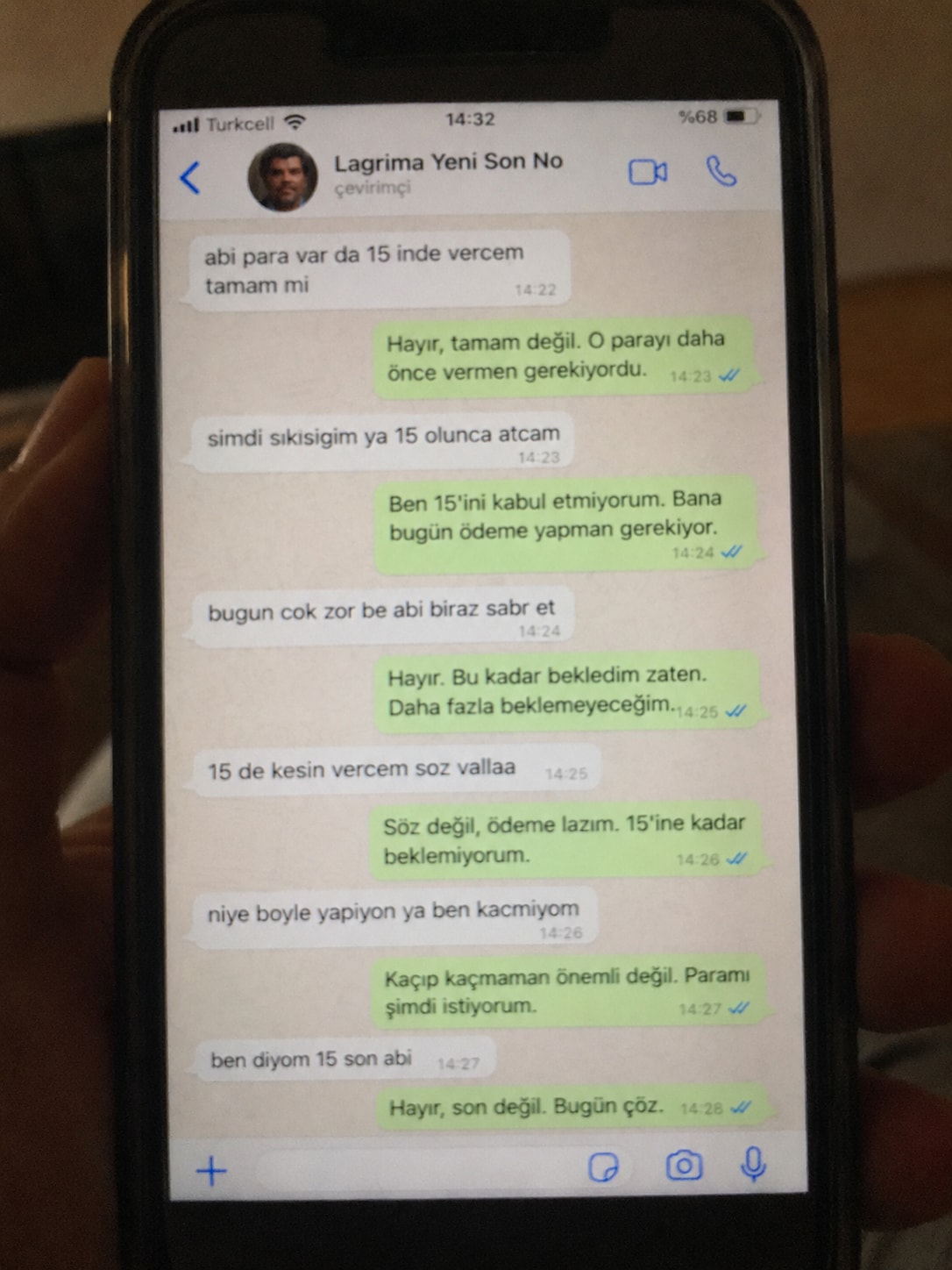
SCENE 2 — 0:03–0:07
The music becomes calm.
Wide cinematic shot of the ocean, cliffs, and sunset. 🌊☀️
The car glows softly behind her.
CAR:
“YOU’VE BEEN HERE BEFORE.”
GIRL:
“I DON’T REMEMBER THIS PLACE.”


![Lost in [Country] with ChatGPT Image 2](https://prompts-chat-space.fra1.digitaloceanspaces.com/prompt-media/prompt-media-1777280420631-63ldan.jpg)